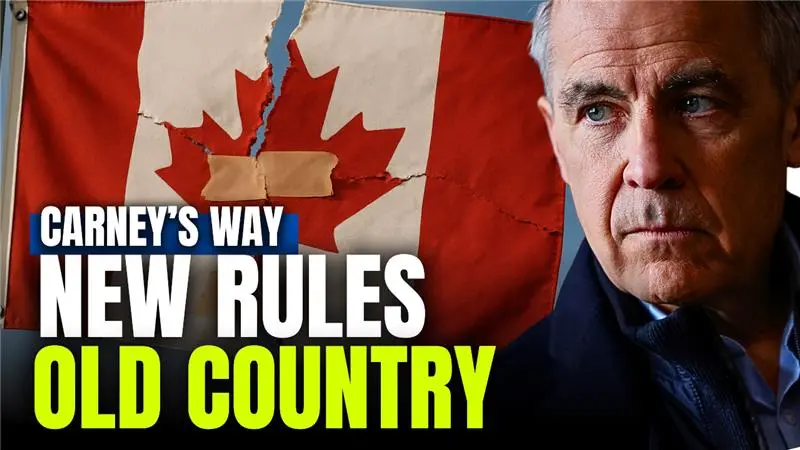
Canada’s Immigration Reset: Carney’s Plan to Balance Growth and Sustainability
Synopsis: Prime Minister Mark Carney’s government is cutting annual immigration from 500,000 to 365,000 by 2027, targeting temporary residents and aligning intake with housing and infrastructure. Can this reset stabilize Canada’s strained systems while keeping its economy competitive?
Introduction: Canada’s Immigration Crossroads
Canada’s reputation as a beacon for immigrants is undergoing a seismic shift. In March 2025, newly sworn-in Prime Minister Mark Carney declared a bold recalibration of the country’s immigration system, vowing to reduce intake to “sustainable levels” by 2027. The move comes after years of record-high immigration under Justin Trudeau’s government—a policy that fueled economic growth but strained housing, healthcare, and public services.
“We must ensure immigration benefits Canadians first,” Carney asserted in a May 2025 press conference. “Unchecked growth risks our social contract.”
This blog examines Carney’s three-pronged strategy:
- Slashing permanent residency targets
- Capping temporary residents (students, workers)
- Linking immigration to infrastructure capacity
Will this plan stabilize Canada—or spark new challenges?

The Problem: How Immigration Overwhelmed Canada’s Systems
1. Record Immigration Under Trudeau
- Canada welcomed 500,000+ permanent residents annually from 2022–2024 (IRCC).
- Temporary residents (students, workers) surged to 3.02 million (7.25% of the population) by 2025 (Immigration News Canada).
2. The Breaking Point: Housing, Healthcare, Jobs
- Housing shortages worsened, with 1.5 million fewer homes than needed (CMHC).
- ER wait times hit record highs in Ontario and BC (Fraser Institute).
- Wage suppression in low-skilled sectors grew as temporary workers filled gaps (Statistics Canada).
“We’ve reached capacity,” said economist Mike Moffatt. “Infrastructure didn’t scale with population growth.”
Carney’s Solution: The 2025–2027 Immigration Reset
1. Cutting Permanent Residency Targets
| Year | Target (Previous) | New Target | Reduction |
| 2025 | 500,000 | 395,000 | 21%↓ |
| 2026 | 500,000 | 380,000 | 24%↓ |
| 2027 | – | 365,000 | 27%↓ |
Goal: Stabilize at <1% of Canada’s population annually.
2. Tackling the Temporary Resident Boom
Carney aims to shrink temporary residents from 7.25% to under 5% of the population by 2027 via:
- Stricter study permit caps (prioritizing high-demand fields)
- Tighter work permit rules (LMIA reforms)
- Phasing out Spousal Open Work Permits (SOWPs)
“We’ll transition some to PR status, but others must leave when permits expire,” said Immigration Minister Marc Miller.
3. The “Housing First” Immigration Model
- Pause caps until housing catches up.
- Fast-track construction visas for skilled trades.
- Indigenous-led developments to expand supply.
“We’ll build homes with Canadian workers—not rely on infinite immigration,”
Carney pledged.
International Comparisons: Lessons for Canada
Australia’s Success With Caps
- Cut net overseas migration from 518,000 (2022) to 375,000 (2024) (Home Affairs).
- Tied student visas to labor needs, reducing exploitation.
UK’s Struggle With Backlogs
- Despite rhetoric, net migration hit 745,000 (2023) due to asylum loopholes (ONS).
- Lesson: Enforcement matters as much as targets.
Challenges Ahead
- Economic Risks
- Canada relies on immigrants for 90% of labor force growth (TD Bank).
- Sectors like healthcare and tech may face shortages.
- Political Pushback
- Businesses demand “flexible exemptions.”
- Advocates warn of “xenophobic undertones.”
- Implementation Hurdles
- Will provinces align on housing builds?
- Can bureaucracy process permits faster?
Conclusion: A Necessary Correction or Overcorrection?
Carney’s plan marks Canada’s sharpest immigration pivot in decades. By balancing intake with capacity, it could restore public trust—if executed well.
But will cuts go too far? As policy analyst Naomi Alboim warns:
“Immigration built Canada. The answer isn’t shutting doors—it’s smarter planning.”
Key Takeaways
✔ Canada cutting PR targets 27% by 2027
✔ Temporary residents to drop from 7.25% to 5% of population
✔ “Housing First” policy links immigration to infrastructure
✔ Risks: Labor shortages, economic slowdown
Final Thought
Is this the reset Canada needs—or a gamble with its future? The next two years will test whether Carney’s vision can sustain both the economy and social cohesion.
Sources: